

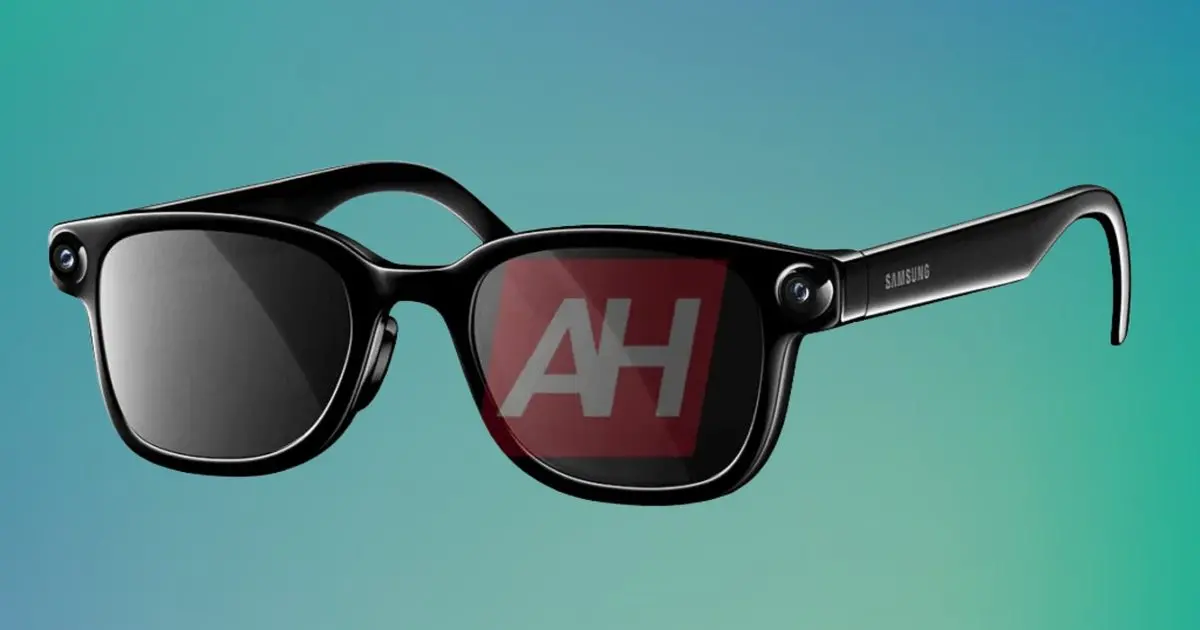
Samsung is preparing to show Galaxy Glasses at its next Galaxy Unpacked event in London on July 22, according to reports from Seoul Economic Daily. The wearable is expected to appear alongside the Galaxy Z Fold8, Galaxy Z Flip8, and Galaxy Watch9 series, putting Samsung’s AI smart glasses near the center of its summer launch slate.
For users, the shift is simple. Galaxy AI could move from something you unlock or tap to something you wear, with voice, cameras, and Samsung’s connected-device network doing more of the work. The reported name is still tentative, and Samsung hasn’t confirmed pricing, release markets, or final specs.
How would Galaxy Glasses work
Galaxy Glasses is expected to use a camera, microphones, and speakers rather than a built-in display. That would make it a voice-first wearable, with Gemini analyzing what the wearer sees and returning answers through audio. Google has already shown Android XR glasses handling tasks like directions, messages, calendar help, photos, and live translation. It has also named Gentle Monster among the eyewear partners working on Android XR glasses, which lines up with reports that Samsung is leaning on the brand for design. That setup would make Galaxy Glasses less immersive than a full AR headset. It could also make the device lighter, simpler, and easier to wear in public.
This approach mirrors the path taken by Meta with its Ray-Ban Stories and Ray-Ban Meta smart glasses, which also rely on voice and cameras rather than displays. However, Samsung’s advantage lies in deeper integration with its ecosystem. The glasses could tap into Gemini Live for real-time conversations, use Google Maps for navigation, and access Samsung Health for fitness data. The lack of a display also means lower power consumption, which is critical for all-day wear. Battery life has been a pain point for smart glasses, and Samsung will need to deliver at least eight hours of mixed use to be practical.
Another key aspect is privacy. Smart glasses with cameras raise obvious concerns, and Samsung will likely include a visible LED indicator when recording, as well as physical or software controls to disable the camera. Google’s Android XR platform includes privacy APIs that allow apps to request camera access per session, and Samsung is expected to implement similar safeguards.
Why would Samsung go beyond phones
Samsung’s strongest advantage is reach. Galaxy Glasses is expected to connect with Samsung AI phones, SmartThings, home appliances, and future car-to-home features built with Hyundai and Kia. The practical version is direct. You could look at something, ask a question, and route the answer or action into a phone, appliance, smart home routine, or vehicle feature. That only works if the connections feel instant and reliable. Smart glasses can’t live on demos alone.
Samsung’s history with wearables is long but mixed. The Galaxy Gear smartwatch line took years to mature, and the Gear VR headset failed to gain mainstream traction. The company also experimented with smart glasses in 2015 with the Gear VR companion app, but never released a standalone pair. This time, the stakes are higher because AI has made voice interfaces genuinely useful. Samsung’s Bixby struggled to compete with Google Assistant and Siri, but by partnering with Gemini and Android XR, Samsung sidesteps its own software weakness and leans into Google’s strength.
The timing is no accident. Google’s Android XR platform was announced in late 2024, and Samsung has been a key partner from the start. The Galaxy Glasses are the first major Android XR product, and success could establish Samsung as the leader in AI wearables, much like its Galaxy phones defined the Android smartphone era.
Beyond the consumer market, Samsung is likely eyeing enterprise use cases. Smart glasses could transform field service, logistics, healthcare, and manufacturing. For example, a technician could receive step-by-step repair instructions overlaid on their view via audio prompts, or a doctor could access patient records hands-free. Samsung’s B2B division has already shown interest in smart glasses for industrial training, and the Galaxy Glasses could serve as a lower-cost, more accessible entry point.
What should buyers watch next
The July reveal should clarify the buyer questions Samsung hasn’t answered. Price, battery life, privacy indicators, recording controls, launch regions, and prescription support will shape whether Galaxy Glasses feels useful or unfinished. Samsung has a software lane through Android XR and Gemini, plus a large Galaxy audience. Now it has to show that the glasses are comfortable, trustworthy, and practical outside a launch demo.
One of the biggest questions is pricing. The Ray-Ban Meta smart glasses start at $299, and Samsung will likely target a similar price point, perhaps $349 to $399 with premium materials. However, if Samsung includes more advanced sensors like a depth camera or additional AI hardware, the price could climb to $499 or higher. Prescription lenses will add to the cost, and Samsung will need to partner with major optical retailers to make ordering easy.
Another factor is comfort. Smart glasses must be lightweight and well-balanced. The Gentle Monster partnership gives Samsung access to experienced eyewear designers, but the final weight will depend on the components. Leaked patents suggest Samsung is exploring magnesium alloy frames and modular temples to distribute weight evenly. The frame shape will also affect compatibility with different face shapes and styles.
Battery life during continuous use with camera and AI processing is a major challenge. Current smart glasses like the Ray-Ban Meta last about 4-5 hours of mixed use. Samsung may need to offer a charging case similar to wireless earbuds to extend usage throughout the day. Fast charging will be essential, perhaps 15 minutes for 2 hours of use.
Finally, the success of Galaxy Glasses depends on the app ecosystem. Android XR provides a foundation, but developers need to build compelling experiences. Samsung can incentivize key app partners like Google Maps, YouTube, Spotify, and WhatsApp to create optimized versions. Health tracking, note-taking, and translation apps will be critical early use cases.
In the broader context, smart glasses are still a niche product, but AI has breathed new life into the category. Amazon’s Echo Frames languished due to limited usefulness, but ChatGPT’s voice mode and Gemini’s multimodal capabilities have made voice assistants genuinely helpful. Samsung’s July event will show whether the company can ride this wave and make glasses a mainstream accessory.
Source: Digital Trends News