

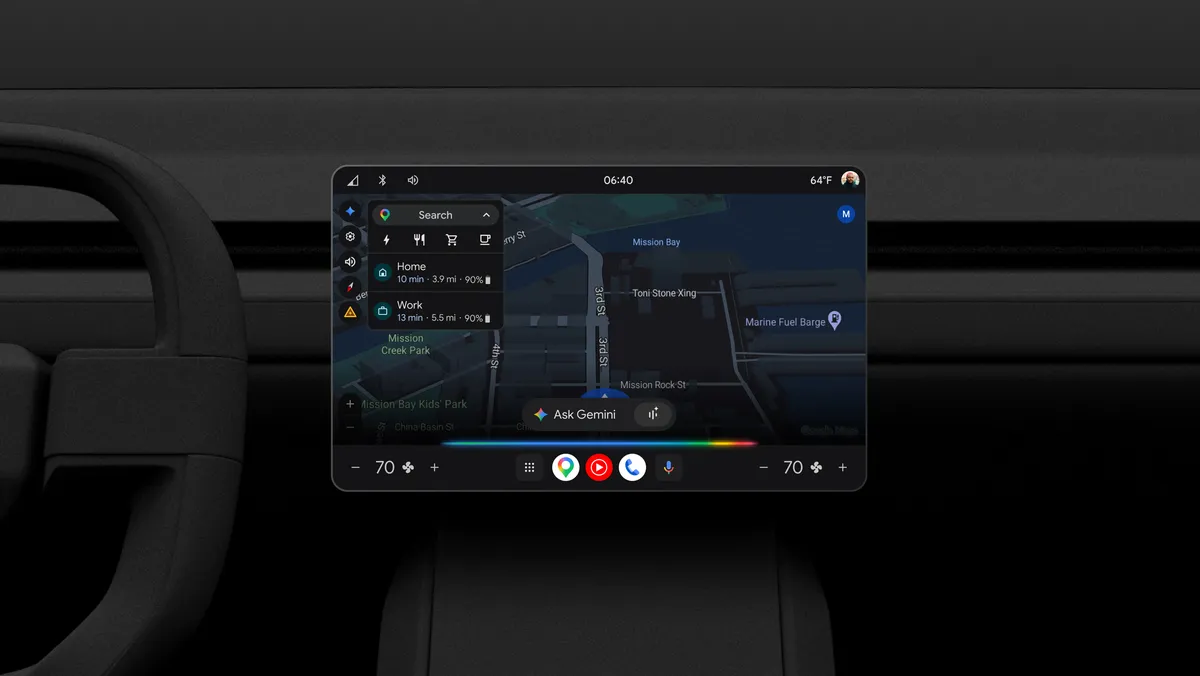
Google has started rolling out its Gemini AI assistant to vehicles, bringing conversational AI to the dashboard. The integration, initially available on select Android Automotive models, allows drivers to use natural language for navigation, music, and messaging without taking their hands off the wheel. This move is part of Google's broader strategy to embed Gemini across its ecosystem, following its recent expansion to smart home devices.
In related news, Google has deepened AI integration in health and wellness with the Fitbit app rebranded as Google Health. The updated app places AI coaching at the center, using Gemini's capabilities to analyze user data and offer personalized fitness and sleep recommendations. The shift reflects Google's ambition to compete directly with Apple Health and Samsung Health by leveraging its AI expertise.
FCC Proposes Tougher Robocall Rules
The Federal Communications Commission (FCC) has proposed new regulations targeting robocalls, aiming to close loopholes that allow telemarketers to bypass existing blocking technologies. The proposed rules would require callers to obtain explicit consent before using automated dialing systems and mandate stricter identification protocols. Privacy advocates have welcomed the move but caution that the rules may not fully address the growing use of AI-generated voices, which can mimic human speech convincingly.
Amazon Extends Price History Tool to One Year
Amazon has updated its price history feature, extending the displayed data from three months to a full year. The tool, available on product pages for Prime members, shows price fluctuations over time, helping consumers identify genuine deals versus marketing gimmicks. This change comes amid increasing scrutiny of e-commerce pricing practices, especially during sales events like Prime Day. Analysts note that transparency tools like this can influence purchasing decisions and build trust, though some critics argue that the feature still lacks real-time competitor comparisons.
Samsung Smart Glasses Leaked
Leaked images of Samsung's upcoming smart glasses have surfaced, revealing a design strikingly similar to Meta's Ray-Ban Stories. The glasses feature a discreet camera module on the temple and integrated speakers, suggesting Samsung is targeting the same hands-free content capture market. Industry insiders speculate that Samsung may partner with Google for software and AI capabilities, potentially running a version of Android for wearables. If confirmed, this would intensify competition with Meta, which recently expanded its smart glasses line with AI-powered translation features.
Apple Patches iPhone Bug Used by Police
Apple has released a security update for iPhones that fixes a vulnerability reportedly exploited by law enforcement to recover deleted messages. The bug affected the device's cryptographic caching system, allowing forensic tools to access data that users believed was permanently erased. While Apple stated the patch closes the security hole, privacy groups continue to question the company's commitment to encryption and data protection, especially given ongoing legal battles with governments over backdoor access.
Gemini’s ‘Continued Conversation’ Feature
Google's Gemini AI has introduced a 'Continued Conversation' mode for smart home devices, allowing users to interact naturally without repeating the wake word. The feature maintains context across multiple queries, making it practical for tasks like setting timers, controlling lights, and asking follow-up questions. This update addresses a common frustration with voice assistants and positions Gemini as a more conversational alternative to Amazon Alexa and Apple Siri. Early reviews highlight improved response accuracy but note that the feature works best in quiet environments.
Amazon Ending Support for Older Kindles
Amazon will end software support for several older Kindle models next month, affecting devices released before 2014. Owners will lose access to the Kindle Store, library lending services, and security updates. While the hardware remains functional for reading sideloaded content, the move underscores the hidden cost of 'forever tech' – devices that become obsolete when companies cut off cloud services. The decision has sparked debate about planned obsolescence and the longevity of e-readers in an era of rapid software changes.
Casely Power Banks Recalled After Explosion
Casely is recalling a line of portable power banks following reports of batteries exploding mid-flight on commercial aircraft. The affected models, sold primarily through online retailers, have been linked to at least three incidents where lithium-ion cells overheated and ignited, causing emergency landings. The Consumer Product Safety Commission warns users to stop using the recalled units immediately and to check for model numbers on the Casely recall page. This incident adds to growing concerns about the safety of lower-cost power banks during air travel.
In other industry updates, the growing reliance on AI and cloud services continues to reshape consumer electronics, from smartphones to smart home hubs. As companies race to integrate generative AI into everyday products, questions about data privacy, device longevity, and regulatory oversight remain front and center. Techopedia will continue to monitor these developments and provide comprehensive analysis for informed consumers.
Source: Techopedia News