

The tech landscape continues to evolve rapidly, with major developments from Google, Amazon, Samsung, Apple, and others. This roundup explores the key announcements and their potential impact on consumers and the industry. From AI advancements to privacy concerns and product recalls, these stories highlight the dynamic nature of the technology sector.
Google’s Gemini ‘Continued Conversation’ Makes AI More Practical for Smart Homes
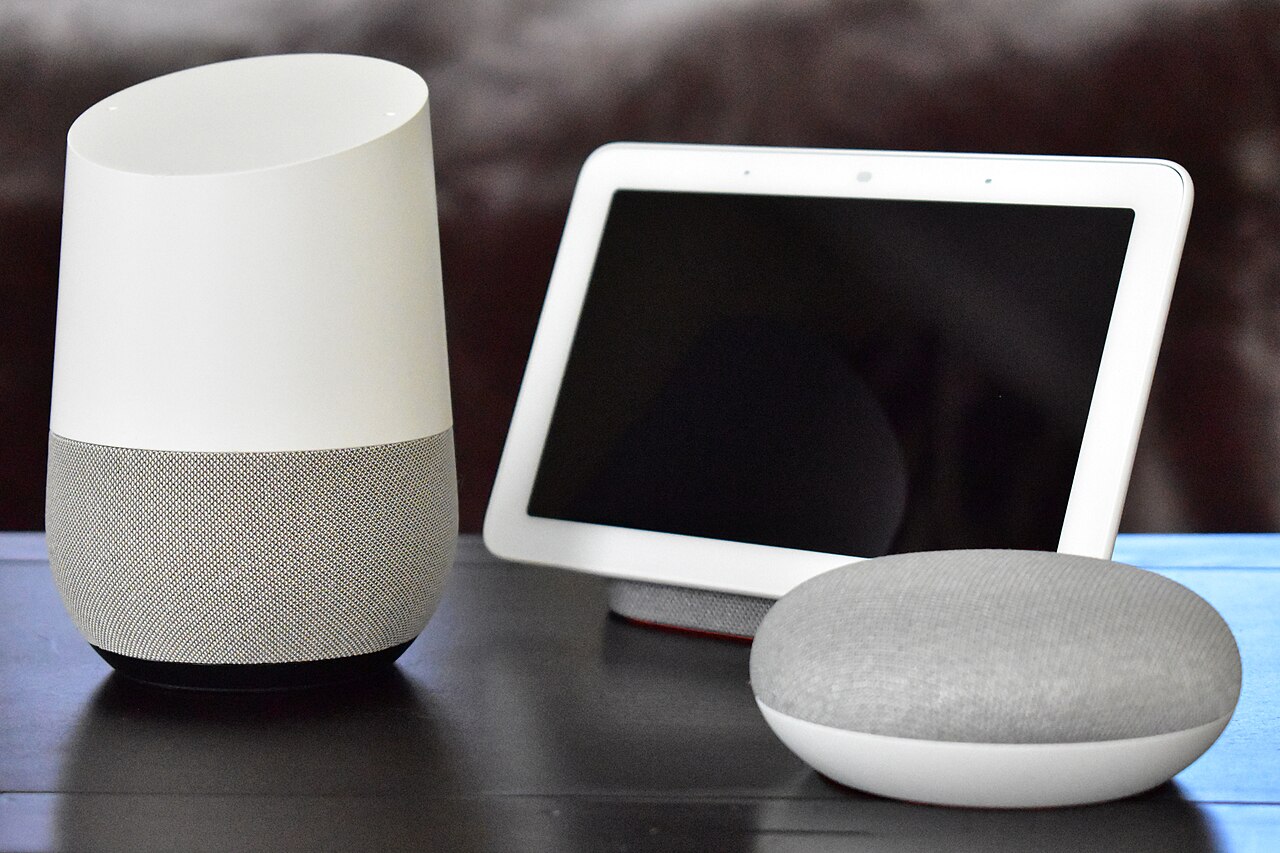
Google’s Gemini AI model now features a ‘Continued Conversation’ capability that allows users to interact with the assistant without repeatedly invoking the wake word. This enhancement makes Gemini more natural and useful in smart home environments, where sustained dialogue can streamline control of lights, thermostats, and other devices. Unlike previous iterations that required constant activation, the new feature leverages Gemini’s advanced language understanding to maintain context over several exchanges. For instance, a user can say, “Turn on the living room lights,” followed by “Make them dimmer,” and then “Set a relaxing playlist,” all without repeating “Hey Google.” This improvement directly addresses a major pain point for smart home users and positions Gemini as a stronger competitor to Amazon’s Alexa and Apple’s Siri. As Google rolls out this feature to more devices, it could accelerate adoption of AI-powered home automation.
FCC Proposes Tougher Robocall Rules, Raising New Privacy Questions
The Federal Communications Commission has proposed stricter regulations aimed at curbing the relentless wave of robocalls. The new rules would require telephone carriers to implement more aggressive call-blocking technologies and increase penalties for violators. However, the proposal also raises fresh privacy concerns. Under the plan, carriers may need to inspect the content of calls to distinguish legitimate messages from spam, which critics argue amounts to government-sanctioned surveillance. Moreover, the FCC is considering allowing law enforcement to access robocall data for investigations, without a warrant. Consumer advocates warn that while stopping nuisance calls is desirable, these measures could set a dangerous precedent for privacy erosion. The debate highlights the delicate balance between consumer protection and civil liberties in the digital age.
Fitbit App Becomes Google Health as AI Coaching Takes Center Stage
Fitbit users are now transitioning to the new Google Health app, marking a significant rebranding and feature overhaul. The platform integrates AI-driven coaching that analyzes user activity, sleep, and heart rate data to offer personalized wellness advice. The AI coach can suggest when to increase activity, adjust sleep schedules, or practice mindfulness based on individual patterns. This move underscores Google’s strategy to unify its health offerings under one brand while leveraging its machine learning expertise. However, longtime Fitbit enthusiasts worry about data privacy, given Google’s history of monetizing user information. The company promises that health data will remain strictly anonymous and not be used for advertising. The success of this pivot will depend on whether users trust Google with their most sensitive biometric data.
Amazon Extends Price History Tool to One Year for Greater Transparency
Amazon has expanded its Price History tool, previously limited to 90 days, to now show a full year of price fluctuations for products. This change gives consumers a clearer view of whether a deal is genuinely good or just a temporary markdown from an inflated baseline. The tool, accessible through the Amazon app and website, displays a graph of prices over the past 12 months, along with the current price and the all-time low. This transparency is a win for savvy shoppers who have long sought more data to avoid fake discounts. The extension aligns with broader consumer advocacy trends demanding fair pricing practices. Retail analysts note that Amazon’s move could pressure competitors like Walmart and Target to offer similar transparency tools.
Google’s Gemini Car Rollout Brings AI to the Dashboard
Google is integrating its Gemini AI assistant into vehicles, starting with select Volvo and Polestar models. Drivers can now access Gemini for navigation, music, messaging, and climate control through voice commands, with the AI capable of understanding complex requests like “Find a nearby charging station with availability and navigate to the cheapest one.” The integration runs on Android Automotive OS, meaning the AI is natively embedded rather than requiring a phone connection. This rollout positions Google as a serious contender in the in-car AI space, where it competes with Apple CarPlay and Amazon’s Alexa Auto. However, safety remains a concern, as voice assistants can distract drivers. Google has implemented safeguards, such as requiring visual confirmation for certain actions and blocking video playback while driving. The success of Gemini in cars could pave the way for deeper AI integration in autonomous vehicles.
Samsung’s Answer to Meta’s Ray-Ban Smart Glasses Revealed in Leaked Images
Leaked images have surfaced showing Samsung’s forthcoming smart glasses, designed to compete directly with Meta’s Ray-Ban Stories. The glasses appear to feature a lightweight frame, integrated cameras, and a small display for notifications. Early reports suggest Samsung is partnering with Google to use the Gemini AI for real-time object and text recognition. Unlike Meta’s model, which focuses on social media sharing, Samsung’s device is rumored to emphasize productivity, such as translating signs, reading documents aloud, and providing navigation cues. The leaks indicate the glasses will have a dedicated companion app for iOS and Android. With its advanced display technology and AI capabilities, Samsung could carve a niche in the wearable market, appealing to professionals and travelers. An official launch is expected later this year.
Apple Patches iPhone Bug Exploited by Police to Recover Deleted Chats: Privacy Questions Persist
Apple has released a security update to fix an iPhone bug that allowed law enforcement using forensic tools to recover deleted messages from third-party apps like WhatsApp and Signal. The flaw exploited a weakness in the iOS file system that retained database entries even after users thought they had permanently erased conversations. While the patch closes this vulnerability, privacy advocates argue that the incident reveals deeper issues. The bug existed for years and was used by police forces worldwide to access sensitive data without warrants. Apple stated it was unaware of the bug until researchers disclosed it, but questions remain about how many other such backdoors remain undiscovered. The update is a necessary step, but it does not address the broader debate over encryption and government access to personal data.
Amazon Ending Support for Older Kindles Next Month: Hidden Cost of ‘Forever’ Tech
Amazon has announced it will stop supporting several older Kindle models, including the Kindle Paperwhite (7th generation) and earlier devices. After the cut-off date, these e-readers will no longer receive security updates, content syncing, or access to the Kindle Store. While the hardware may continue to function, users will lose cloud connectivity and the ability to download new books. This discontinuation highlights the hidden cost of ‘forever’ technology: even devices built to last years become obsolete when manufacturers cease backend support. Critics argue that Amazon should maintain basic functionality for older devices as a sustainability measure. The move affects thousands of users who may now be forced to upgrade, raising questions about planned obsolescence and digital ownership. Amazon recommends affected users trade in their devices for a discount on a new model.
Casely Power Banks Recalled Again After Mid-Flight Explosion
Casely has issued a second recall for a line of power banks after a unit caught fire during a commercial airline flight. The incident, which occurred while a passenger was using the device, prompted immediate intervention by cabin crew and an emergency landing. The recalled models were previously flagged for overheating, but the company’s initial fix proved inadequate. The recall affects approximately 120,000 units sold at major retailers. Casely is offering full refunds and urging customers to stop using the power banks immediately. The FAA noted that lithium-ion battery fires remain a top safety concern, and this incident underscores the importance of rigorous quality control. Consumers are advised to check product recall databases regularly and to never leave charging devices unattended on flights.
Source: Techopedia News