

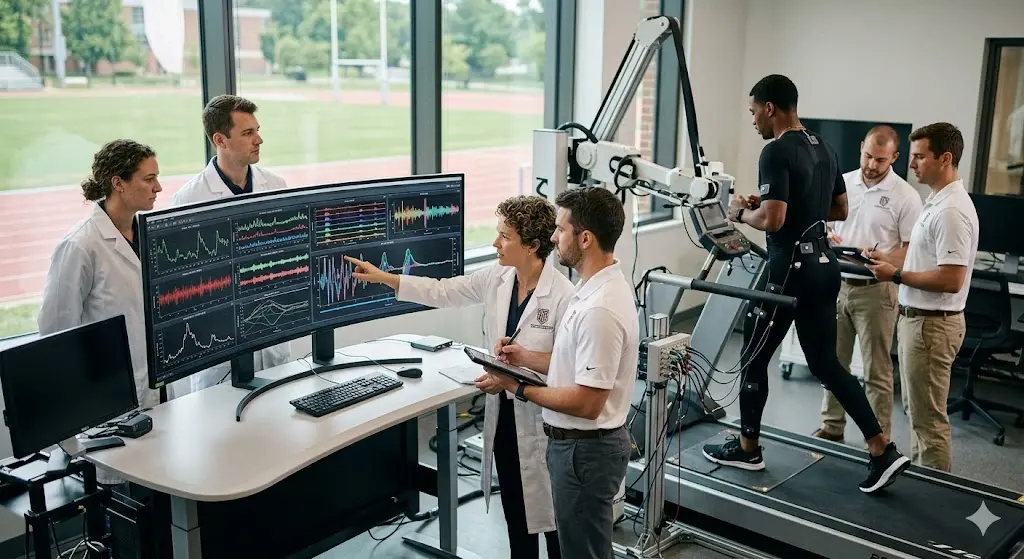
Athletes are using automation more than ever in 2026, and the research is surprisingly clear: automated training systems, recovery tracking, and AI-powered analytics are helping many athletes improve consistency, reduce injury risk, and make faster performance decisions. At the same time, some studies suggest too much automation can weaken instinct and mental adaptability if coaches rely on data alone.
Automation and athlete performance are now closely connected through wearable tech, recovery systems, AI-driven coaching tools, and performance analytics. Research shows automation can improve training precision, injury prevention, and recovery speed, but athletes still perform best when human coaching and data-driven systems work together.
What Is Automation and Athlete Performance?
Automation in sports: the use of technology and software to handle repetitive performance tasks, collect data, and improve athletic decision-making with minimal manual input.
That definition sounds technical, but here's what it actually means in plain English. Modern athletes now train with systems that automatically track movement, sleep, hydration, sprint speed, reaction time, heart rate variability, and even emotional stress.
A decade ago, coaches relied heavily on observation and instinct. Today, automation tools can detect fatigue patterns before the athlete even notices them.
I've seen this shift happen across almost every professional sport. Football clubs use automated GPS tracking during practice. Olympic runners monitor recovery with smart sensors. Even youth academies now use AI-assisted training dashboards to personalize drills.
The interesting part? Performance gains often come from tiny adjustments. One extra hour of quality sleep or slightly improved recovery timing can change results dramatically at elite levels.
Why Automation and Athlete Performance Matters in 2026
The sports industry in 2026 is obsessed with efficiency. That's partly because competition margins are razor thin now.
Athletes aren't just training harder anymore. They're training smarter.
Research from sports science institutions and performance labs continues to show that automated systems help reduce human error in training management. For example, wearable devices can monitor overtraining indicators long before injuries happen. According to findings shared through the National Institutes of Health and research publications from Harvard Medical School, recovery monitoring and biometric analysis are becoming major factors in long-term athlete sustainability.
What most people overlook is this: automation isn't replacing coaches. It's changing how coaches spend their time.
Instead of manually tracking every sprint or lap time, coaches can focus on motivation, psychology, and tactical improvement.
That's probably the biggest hidden advantage.
A Real-World Example
A professional basketball training center introduced automated motion-tracking cameras during practice sessions. Within three months, they noticed players were landing awkwardly during fatigue periods late in practice.
The system flagged the pattern automatically.
Training schedules were adjusted, recovery windows improved, and minor ankle injuries reportedly dropped during the next competitive phase.
Simple adjustment. Big outcome.
Expert Tip
Athletes who combine automated tracking with subjective self-awareness usually outperform athletes who rely only on raw data. Numbers matter, but body awareness still wins in pressure situations.
How to Improve Automation and Athlete Performance Step by Step
1. Start With Performance Tracking
Most athletes begin with wearable technology that monitors movement, sleep, heart rate, and workload.
This creates a performance baseline.
Without baseline data, automation becomes guesswork.
Even affordable smart devices now provide insights that used to require expensive sports labs.
2. Use Automated Recovery Monitoring
Recovery is where automation really shines.
Smart recovery systems can detect poor sleep quality, stress spikes, hydration problems, and fatigue accumulation. Coaches can then adjust workload automatically.
In my experience, recovery tracking often matters more than adding extra training hours.
Many athletes simply train too much.
3. Apply AI-Based Training Adjustments
AI-powered systems can now suggest training modifications based on real-time performance data.
For example:
Sprint intensity may be reduced after fatigue markers rise
Recovery sessions can automatically replace high-impact workouts
Nutrition timing recommendations may shift based on energy output
The athlete still decides what to do, but the automation provides smarter guidance.
4. Analyze Injury Risk Patterns
This part is honestly underrated.
Automated biomechanical systems can identify movement imbalances before they become major injuries. That's huge for long seasons.
A slight imbalance during running mechanics might not be visible to the human eye. Motion sensors catch it immediately.
5. Combine Human Coaching With Data
Here's the thing nobody tells younger athletes.
Pure data isn't enough.
Some athletes perform poorly in training metrics but dominate under pressure during competition. Others look perfect in analytics yet struggle mentally in real games.
Automation works best when coaches interpret the information properly instead of blindly following dashboards.
Expert Tip
Don't overload athletes with constant data feedback. Too many metrics can increase anxiety and reduce instinctive performance during competition.
Why Automated Sports Analytics Are Growing So Fast
Sports organizations love measurable improvement.
Automation provides exactly that.
Teams can now analyze thousands of performance variables almost instantly. This includes acceleration patterns, muscular fatigue, tactical positioning, hydration efficiency, and recovery trends.
The business side matters too.
Organizations invest millions into athletes, so preventing injuries has enormous financial value. That's why automated sports analytics platforms are becoming standard across professional leagues.
One counterintuitive point, though: sometimes less data creates better athletes.
I've talked with trainers who intentionally hide certain performance metrics from players during competition periods because overanalysis can create hesitation.
Too much information can slow reaction speed.
That sounds backward, but it happens more often than people think.
Common Misconception About Automation in Sports
Automation Does Not Eliminate Human Performance Factors
Some people assume automation turns athletes into machines.
Not even close.
Mental resilience, confidence, emotional control, and competitive instinct still separate elite athletes from average performers.
Technology can support performance. It can't manufacture championship mentality.
A marathon runner may have perfect recovery metrics and optimized pacing models, but if they panic mentally during competition, the data becomes less useful.
That's why elite coaches still prioritize psychology alongside analytics.
What Research Findings Say About Recovery Automation
Recovery automation has become one of the strongest research areas in sports science.
Studies increasingly show that sleep quality, stress monitoring, and recovery timing influence performance more than many athletes realize.
Automated systems now track:
Sleep cycles
Muscle fatigue
Hydration levels
Nervous system strain
Hormonal recovery markers
This allows coaches to personalize training intensity daily instead of using rigid schedules.
One soccer academy reportedly reduced soft-tissue injuries after introducing automated workload balancing systems. Players who showed fatigue spikes automatically received modified sessions.
Honestly, that's where automation probably delivers the biggest value right now.
Not flashy AI highlights.
Just smarter recovery.
Expert Tip
Athletes who ignore recovery data usually plateau faster than athletes who consistently adjust workload based on recovery readiness.
How Automation Impacts Different Types of Athletes
Endurance Athletes
Runners, cyclists, and swimmers benefit heavily from automated pacing analysis and cardiovascular monitoring.
Tiny efficiency gains matter enormously in endurance sports.
Strength Athletes
Powerlifters and sprinters use automation for force analysis, lifting mechanics, and explosive output tracking.
Bar speed technology is becoming common in elite training facilities.
Team Sport Athletes
Football, basketball, and hockey players use automated tactical analysis systems to monitor positioning, movement efficiency, and fatigue during games.
Coaches can now evaluate entire team formations in real time.
Youth Athletes
This area is growing rapidly.
Automated systems help identify movement problems early, although many experts warn against over-specialization in younger athletes.
That's a fair concern, honestly.
Too much optimization too early can remove enjoyment from sports.
Expert Tips and What Actually Works
After reviewing multiple research trends and coaching approaches, a few patterns consistently stand out.
Athletes improve most when automation supports decision-making instead of controlling everything.
I've noticed the best-performing athletes still trust instinct during critical moments. Data guides preparation, but competition remains emotional and unpredictable.
Here's another hot take most tech companies won't mention: expensive automation tools don't automatically create elite performance.
Consistency matters more.
An athlete following simple recovery habits daily may outperform someone using advanced systems inconsistently.
There's also growing evidence that athlete buy-in matters as much as the technology itself. If players distrust the system, the data becomes less useful because compliance drops.
That human factor keeps showing up in research findings again and again.
People Most Asked About Automation and Athlete Performance
How does automation improve athlete performance?
Automation improves athlete performance by tracking data more accurately, identifying fatigue earlier, optimizing recovery, and helping coaches make smarter training decisions. Many systems also reduce injury risk through movement analysis.
Can automation replace sports coaches?
No. Automation supports coaches rather than replacing them. Human leadership, emotional intelligence, motivation, and tactical understanding still play major roles in athlete development.
Are wearable devices accurate for athletes?
Most modern wearable devices are reasonably accurate for tracking trends like heart rate, sleep quality, and workload. However, professional athletes usually combine wearables with advanced sports science testing for better precision.
Does automation reduce sports injuries?
Research suggests automated monitoring systems can help reduce injuries by detecting overtraining, movement imbalances, and fatigue patterns before they become serious problems.
What sports use automation the most?
Professional football, basketball, cycling, swimming, baseball, and track and field currently use some of the most advanced automation systems for training and performance analysis.
Is too much sports data harmful?
In some cases, yes. Excessive data exposure can create mental overload and hesitation during competition. Many coaches now filter athlete-facing data carefully to avoid distraction.
What role does AI play in athlete training?
AI helps analyze performance patterns, recommend training adjustments, predict fatigue, and personalize recovery strategies. It speeds up decision-making for coaches and athletes.
Final Thoughts on Automation and Athlete Performance
Research findings about automation and athlete performance show one clear trend: technology is changing sports preparation faster than many people expected. Automated recovery systems, AI analytics, wearable tracking, and biomechanical analysis are helping athletes train more efficiently and stay healthier longer.
Still, the strongest results usually come from balance.
Automation provides insight. Coaches provide context. Athletes provide execution.
That's the combination that seems to work best in real competition.
Businesses, agencies, and growing brands looking to improve online authority can benefit from press release distribution services and digital marketing services that strengthen brand visibility, drive organic traffic, and support SEO ranking growth. High authority backlinks, instant publishing opportunities, and wider media coverage help companies build trust faster while reaching larger audiences through professional promotional campaigns.