

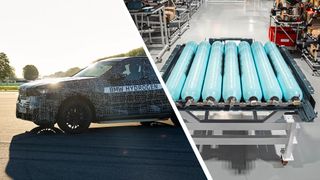
The automotive industry is witnessing a remarkable shift as hybrid and electric vehicles (EVs) become increasingly popular among consumers. This transition is fueled by various factors, including environmental concerns, advancements in technology, and changing consumer preferences.
One of the primary motivations behind the adoption of hybrid and electric vehicles is the urgent need to address climate change. Traditional gasoline-powered vehicles are significant contributors to greenhouse gas emissions, leading to a push for cleaner alternatives. Hybrid vehicles, which combine a conventional internal combustion engine with an electric propulsion system, offer a transitional solution by improving fuel efficiency and reducing emissions. On the other hand, fully electric vehicles eliminate tailpipe emissions altogether, providing a more sustainable option for environmentally conscious consumers.
Technological advancements have played a crucial role in the growth of hybrid and electric vehicles. Innovations in battery technology have led to longer ranges and shorter charging times, addressing one of the major concerns potential buyers face: range anxiety. Modern electric vehicles can now travel hundreds of miles on a single charge, making them a viable option for daily commutes and long road trips alike. Furthermore, the expansion of charging infrastructure across urban and rural areas is making it easier for drivers to recharge their vehicles, further encouraging the shift towards electric mobility.
Market Trends and Consumer Adoption
As consumer awareness grows, so does the market for hybrid and electric vehicles. Automakers are responding to this demand by expanding their offerings. Many companies are investing heavily in research and development to produce more efficient and affordable models. According to recent statistics, sales of electric vehicles have surged, with a significant increase in market share over the last few years. In many regions, electric vehicles now compete directly with traditional vehicles in terms of price and performance.
Moreover, government policies and incentives are also driving the adoption of hybrid and electric vehicles. Many countries offer tax credits, rebates, and other financial incentives to encourage consumers to make the switch. Additionally, stricter emissions regulations are pushing manufacturers to develop cleaner technologies, making hybrid and electric vehicles more appealing options for consumers.
Challenges Ahead
Despite the positive momentum, challenges remain in the widespread adoption of hybrid and electric vehicles. One significant hurdle is the initial cost of purchasing these vehicles, which can be higher than that of traditional vehicles. However, as technology advances and production scales up, prices are expected to decrease, making these vehicles more accessible.
Another challenge is the availability of charging stations. While infrastructure is improving, there are still regions where charging stations are scarce. Addressing this issue is essential to ensure that EVs become a practical option for all consumers, especially those living in rural areas. Additionally, the energy source used to charge electric vehicles must be considered. Transitioning to renewable energy sources for charging can significantly enhance the environmental benefits of electric mobility.
The Future of Transportation
Looking ahead, the future of transportation seems to be leaning towards hybrid and electric vehicles. Continued advancements in technology, coupled with supportive government policies and shifting consumer attitudes, are likely to propel the market forward. As more people recognize the benefits of reducing their carbon footprint and embracing sustainable practices, the demand for hybrid and electric vehicles will only grow.
In conclusion, hybrid and electric vehicles represent a significant shift in the automotive industry, offering promising solutions for a more sustainable future. With ongoing innovations and increasing consumer acceptance, these vehicles are set to play a crucial role in transforming how we think about transportation.
Source: TechRadar News